
From Consulting to Managing Director… and Beyond - with Victoria Crawley-Wise, former MD at Duke Corporate Education
What changes when you take on a senior leadership role, and how do you know if it’s right for you?
Moving from consulting into a Managing Director or general leadership role is a common aspiration for many professionals. But the reality of these roles often looks very different from the expectations built during a consulting career.
In this conversation, Victoria Crawley-Wise shared what the transition really involves, what surprised her, and the lessons she learned leading a large portfolio, owning a full P&L and eventually choosing to build a more independent path.
Below are the key insights.
Sign up to watch the full recording
GUEST SPEAKER PROFILE
Victoria Crawley-Wise
Victoria is an accomplished business leader and learning strategist, most recently Managing Director at Duke Corporate Education, where she led teams across Europe and worked with global clients to develop leaders for what’s next.
Before Duke CE, she spent nearly a decade at KPMG, designing and delivering large-scale leadership programmes for both UK Government and international blue-chip clients, reaching over a million learners worldwide.
Victoria brings a rare perspective from both consulting and senior executive roles.
She will be our guest speaker on the topic “From Consulting to Managing Director”, exploring what it takes to thrive in senior leadership.
Explore CV / Resume Course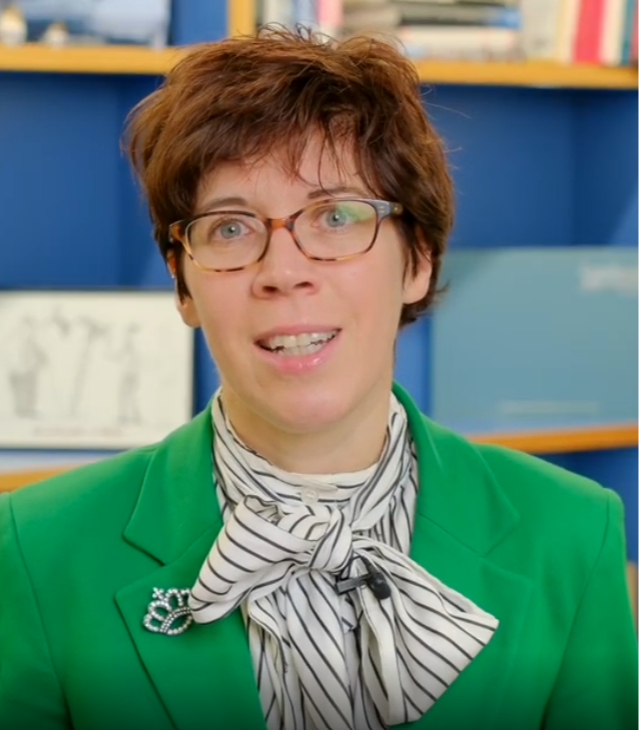
1. The MD role is not what most consultants think it is
Many people picture senior leadership as “owning the whole business”. The reality is far more operational.
The role is a seller–doer:
- You carry revenue targets.
- You sell and deliver work.
- You run a P&L.
- You own culture, hiring and team performance.
- You manage people issues daily.
It is closer to being a partner in a professional services firm than being a strategist.
If you do not enjoy sales, delivery and managing people issues, the MD path will feel heavy very quickly.
2. Decision-making speeds up. Certainty goes down
Consulting trains you to look for complete information. Leadership roles require judgment and speed.
Victoria shared a simple rule of thumb:
- 70 percent of the information is enough to make a solid decision.
- Below 30 percent is too little to act on.
You are accountable for the consequences of your calls. You see the results unfold over months or years, not in a Steering Committee. This shift is one of the biggest mindset adjustments.
3. Your leadership style must change
Consultants are wired to problem-solve out loud. Senior leaders must do the opposite.
Two major changes:
- Speak last, not first.
- Create space for other voices before you present your view.
If you speak too early, your team will simply follow you. You lose debate and diverse thinking. This is a common trap for ex-consultants stepping into senior leadership.
4. “Human skills” matter most
Victoria rejects the phrase “soft skills”. They’re the hardest skills and the most important.
The core set:
- Building trust.
- Listening deeply.
- Understanding what motivates people.
- Communicating clearly and calmly.
- Managing conflict without breaking relationships.
These skills drive influence. They determine whether people will follow your lead.
5. You live with your decisions — and your team
Unlike consulting, where teams rotate constantly, leadership roles are fixed.
Two consequences:
- Relationship damage lasts.
- Trust takes time to rebuild.
Victoria shared that some early missteps around communication and expectations took months to repair. It took her a year to feel fully settled.
For ex-consultants, the priority is clear: spend real time getting to know your team and how they operate.
6. Real networking is built over years
Victoria never secured a role through a cold application.
Every move came through:
- long-term connections
- people she stayed in touch with
- relationships built through genuine curiosity
Richard reinforced that major transitions, especially into roles you have not done before, are almost always secured through warm relationships, not online applications.
7. The consulting skills that transfer
She highlighted several strengths that consultants bring, and that genuinely differentiate them:
- High energy.
- Comfort with ambiguity.
- Fast learning in unfamiliar areas.
- Strong communication and structured thinking.
- Output quality that raises the bar for teams.
But these only work when paired with strong “human skills”.
8. The leap to independent work
After years in senior roles, Victoria realised she needed change, variety and more flexibility.
Key insights from her shift to self-employment:
- The fear of losing a regular salary is real for many people.
- The “unknown unknowns” are challenging, especially at the start.
- The biggest benefit is control of your time.
- The hardest part is carrying all the responsibility yourself.
Independent careers often appeal to those who miss the pace and variety of consulting.
9. Variety, challenge and autonomy matter more than titles
For Victoria, the MD role became repetitive after five years. She missed creativity, change and momentum.
Her transition is a reminder that progression should be driven by fit, not just hierarchy. If you don’t enjoy the reality of a senior leadership role, there are many other fulfilling paths.
Final Thought
Senior roles demand judgment, resilience, commercial ownership and strong interpersonal skills. For the right person, they’re energising and impactful. For others, they can feel restrictive or repetitive.
The key is understanding the reality of the work before you commit to it.
Sign up to watch the full recordingSee More Guest Speakers
Explore insights from other leaders who’ve made bold career moves — from consulting and corporate roles into startups, private equity, and beyond.
View All Guest Speakers
Join 70,000+ professionals receiving our newsletter
Where we share our most popular free resources.
ps we hate spam! We email infrequently & only with out best insights.
