Guest Speaker Insights · Career Transitions
Matt Kummell: From Bain to Blockchain: Lessons from a Career Across Hedge Funds, PE, and Emerging Asset Classes
The session
Matt Kummell has spent his career deliberately choosing volatility over stability – moving from Bain & Company into hedge funds, large asset managers and digital assets. In this OnUpBeyond session, Matt talks openly about the trade-offs of operating in fast-moving environments, and what that path has taught him about risk, resilience and long-term career growth.
About the speaker
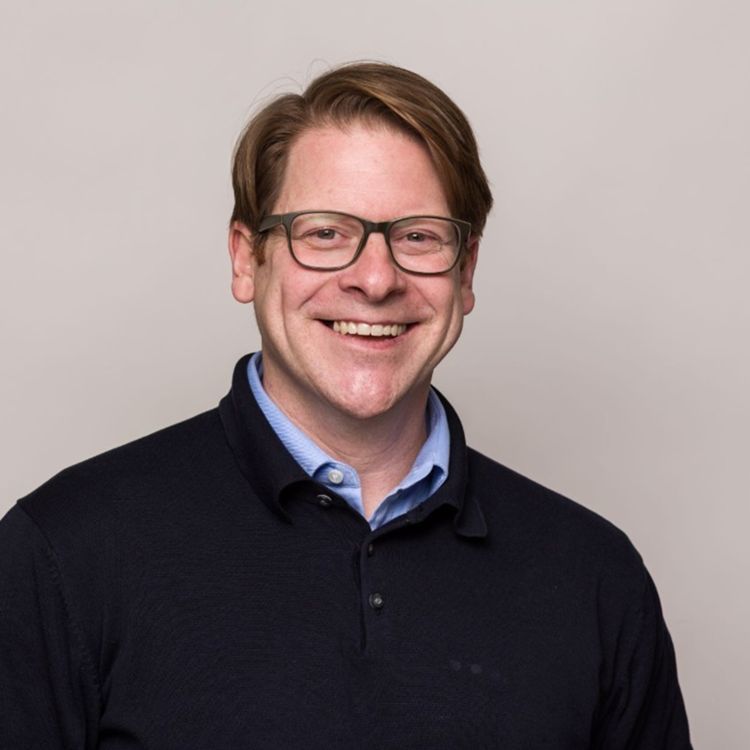
Matt Kummell
Entrepreneurial leader across fintech, venture capital, private equity and hedge funds. Most recently a senior leader at Digital Currency Group, where he led value creation across a multibillion-dollar portfolio and served on the boards of Foundry, Grayscale and Luno. Began his career at Bain & Company.
Matt's 8 key insights
1Hedge funds are intense, data rich, and not for everyone
Hedge funds attract a lot of attention for a reason. The learning curve is steep and the pace is relentless. Matt moved from Bain into a top fund in 2009 and found an industry that was still maturing, often shaped by the founder's style. The appeal is the sheer number of decisions made every week. If you care about evidence, feedback loops, and the scoreboard, it is a perfect lab.
That intensity comes with trade offs. Pressure is constant, outcomes are public, and the environment can change quickly. Matt kept his family in Boston while renting a small apartment near the fund so he could test the move with less risk. The lesson is to treat big transitions as experiments. Reduce the cost of being wrong, then lean into the learning.
He also learned how senior principals assess new talent. The first time he presented, the founder went straight to the footnotes and the appendices to test depth. Once Matt showed he could defend the work under pressure, conversations moved to the front of the deck. Trust is built when clarity meets analytical depth.
2Consulting skills compound differently outside consulting
Matt believes several consulting skills become unusually valuable outside traditional consulting environments because they are rarer than many people realise. Particularly:
- Structuring messy problems – breaking messy situations into clear, testable questions
- Project management that actually ships – turning complex work into executable milestones
- Answer-first communication – leading with a clear recommendation, then supporting it with evidence
Inside hedge funds and investment environments, those capabilities often become force multipliers because many teams are optimised for investing, not necessarily for structured execution or organisational clarity.
Early in his hedge fund career, a founder tested Matt's thinking by diving directly into the appendices and footnotes of a presentation rather than the headline conclusions. Only after proving analytical depth did conversations shift toward strategic recommendations.
"Trust is built when clarity meets depth."
Over time, senior decision makers begin reading your executive summary first because they trust the underlying thinking will hold up under scrutiny.
3Influence without authority is one of the most valuable career skills
Across hedge funds, Citi, and Digital Currency Group, much of Matt's work involved improving performance without formal authority. That meant influencing highly successful investors, operators, and portfolio leaders who did not necessarily need to listen.
His approach was simple: bring useful data, understand the craft deeply, identify blind spots, reduce friction, offer practical support. Not theory. Not politics. Useful contribution.
He describes this as "influence without authority." It became a recurring theme throughout the conversation and is increasingly relevant for consultants moving into operating roles, PE portfolio environments, board positions, transformation leadership, and cross-functional executive roles. In many senior environments, influence matters more than hierarchy.
4Pick the market before the title
One of Matt's most interesting ideas was around career volatility. He compares careers to investment environments. The same level of capability placed inside a low-volatility market may produce moderate long-term upside. Placed inside a fast-changing environment, the upside, learning speed, and opportunity set can expand dramatically.
Matt repeatedly chose markets with rapid change, uncertainty, asymmetric upside, and evolving business models – from multi-manager hedge funds to digital assets. That path created exceptional opportunities, but also difficult cycles.
His point was not that everyone should choose volatility. It was that professionals should think much more intentionally about the arena they choose to operate in.
"Before obsessing over role and title, choose the market and the level of change you want to live with."
Your environment shapes learning speed, optionality, upside, resilience, and long-term relevance far more than most people realise.
5Networks create luck, but only if you maintain them
Several major opportunities in Matt's career came through relationships developed years earlier. His first hedge fund role came through a former Bain manager. Other opportunities emerged because people already understood how he worked, how he solved problems, and where he added value.
The lesson was straightforward: stay visible, share what you are working on, ask for advice before you need help. Careers compound socially long before they compound financially.
Matt also pointed out that even "cold" channels can work when substance is visible. His role at Digital Currency Group began with a LinkedIn interaction followed by a rigorous application process involving written submissions and video responses. Relationships matter, but demonstrated thinking matters too.
6Design your work around compounding effort
At one stage, Matt moved toward broader operational leadership responsibilities. The work was important, but he realised much of it did not align with where he created the highest leverage. So he deliberately shifted back toward problems where concentrated effort could create outsized impact.
That led to one of the strongest practical ideas in the discussion: "Design your weeks around work that compounds."
Not all effort compounds equally. Some work creates leverage, changes trajectories, builds reusable capability, and expands future optionality. Other work is necessary but creates little durable value.
Matt recommends periodically reviewing where your time creates disproportionate impact, which problems energise you, and which activities produce long-term leverage – then consciously reshaping your role around those areas where possible.
7Career resilience matters more than perfect planning
Matt has experienced leadership shakeups, firm instability, market collapses, crypto winter, and industry-wide disruption. His conclusion was not to avoid uncertainty. It was to build resilience for it.
Three principles stood out: maintain financial buffers where possible, keep relationships active across multiple worlds, and continue developing skills that remain valuable across cycles.
Volatile environments punish passive careers. They reward people who continue learning, adapting, and maintaining optionality.
8"Run your own race"
One of the most human parts of the conversation came at the end. Matt reflected on how easy it is to compare yourself against peers following more conventional corporate paths.
His advice was simple: "Be comfortable with the race you choose." Not every ambitious career follows a clean linear progression. Some people optimise for stability, depth, and predictability. Others are energised by novelty, experimentation, volatility, high-pressure environments, and reinvention. Neither is inherently better.
But long-term success becomes far easier when your environment aligns with your temperament. "Success is easier to build when your arena matches who you are."
Watch the full session
Matt's full interview lives in our Guest Speaker library, which is included in every OnUpBeyond masterclass. Check out our masterclasses and wider offering to get full access to this session and many others like it →
See Our OfferingStay connected
Join 70,000+ professionals getting our newsletter
We hate spam. We email infrequently and only with our best insights.
50,000+ professionals follow Rich on LinkedIn
Join them for exclusive, free career content.
Hit the bell to the right of the profile pic.